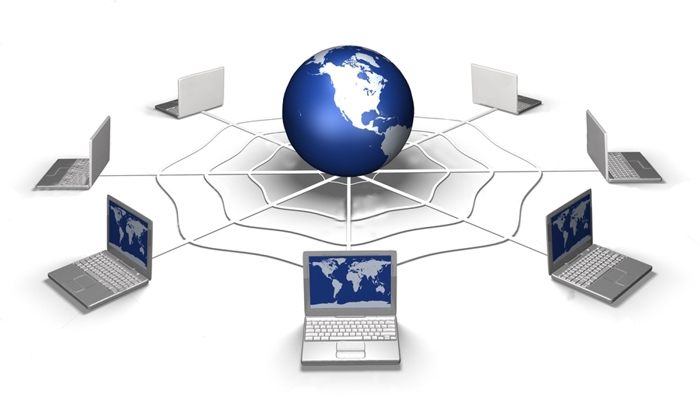
Imagine a world where the combined power of computers across departments, cities, or even continents can be harnessed as one seamless entity. This isn’t science fiction—it’s the transformative promise of Grid Computing. In a time when businesses and research institutions are constantly seeking faster, more cost-effective solutions, Grid Computing stands out as a technology that doesn’t just optimize resources but completely reimagines how we use them. By turning isolated systems into a cohesive, collaborative network, Grid Computing offers a glimpse into the future of efficiency, scalability, and innovation in IT.
The Fundamentals of Parallel Computing
Parallel computing is based on the idea of splitting tasks into smaller chunks and executing them simultaneously across multiple processors. Two key models in parallel computing are Symmetric MultiProcessing (SMP) and Massively Parallel Processing (MPP):
Symmetric MultiProcessing (SMP):
- In SMP systems, multiple processors share a common data bus and work in tandem.
- These systems usually consist of eight or fewer processors, making them simpler and faster for small-scale parallel tasks.
- SMP is ideal for tasks where communication between processors is minimal, as the shared bus operates at extremely high speeds (tens of Gbps).
Massively Parallel Processing (MPP):
- MPP takes scalability to the next level by connecting a larger number of processors across multiple nodes.
- Unlike SMP, MPP systems often use processors in separate physical units connected via high-speed networks (e.g., Gigabit Ethernet).
- While more scalable, MPP introduces complexity in intercommunication and scheduling, which can lead to slower data exchanges between processors.
While these approaches to parallel computing have powered innovation for decades, they come with challenges like high costs, complexity, and resource inefficiencies. This is where Grid Computing enters the scene as a game-changer.
The Grid Approach
Grid Computing builds on the MPP concept by distributing computational resources across multiple, geographically dispersed systems. Instead of relying on a single large processing unit, Grid Computing connects a network of smaller, independent systems to work collectively. This approach offers several advantages:
- Geographic Flexibility:
Resources are no longer confined to a single room or building. Systems in different locations, cities, or even continents can collaborate seamlessly. - Cost Efficiency:
Smaller systems are generally more affordable than building a monolithic computing infrastructure. Organizations can maximize the value of existing hardware by pooling resources across departments or sites. - Dynamic Resource Allocation:
Grid Computing allows resources to be allocated dynamically based on demand. For example, systems idle during off-hours can support other tasks, optimizing overall utilization.
The Corporate Perspective
Grid Computing offers transformative potential for businesses by integrating multiple systems into a single, cohesive “virtual computer.” Here’s how this works in practice:
Cross-Department Collaboration:
- Most organizations have dedicated servers for different functions—ERP, payroll, email, etc.
- These servers experience varying workloads. For instance, the payroll server is busiest during month-end or year-end processing, while the email server has sporadic peaks during campaigns.
- Grid Computing enables these systems to share resources, ensuring that underutilized servers contribute to tasks in high demand.
Scalability and Efficiency:
- A Grid system scales effortlessly by adding more nodes, allowing businesses to handle growing workloads without overhauling existing infrastructure.
- It eliminates the need for single-purpose systems, creating a more adaptable and efficient IT ecosystem.
The Future of Grid Computing
As businesses grow increasingly dependent on data and computation, Grid Computing represents a natural evolution toward more efficient and scalable IT systems. It addresses the limitations of traditional parallel computing models by distributing workloads intelligently across diverse systems, reducing costs, and maximizing resource utilization.
By transforming isolated systems into a unified virtual computing network, Grid Computing embodies the future of IT infrastructure, enabling organizations to achieve more with less—anytime, anywhere.